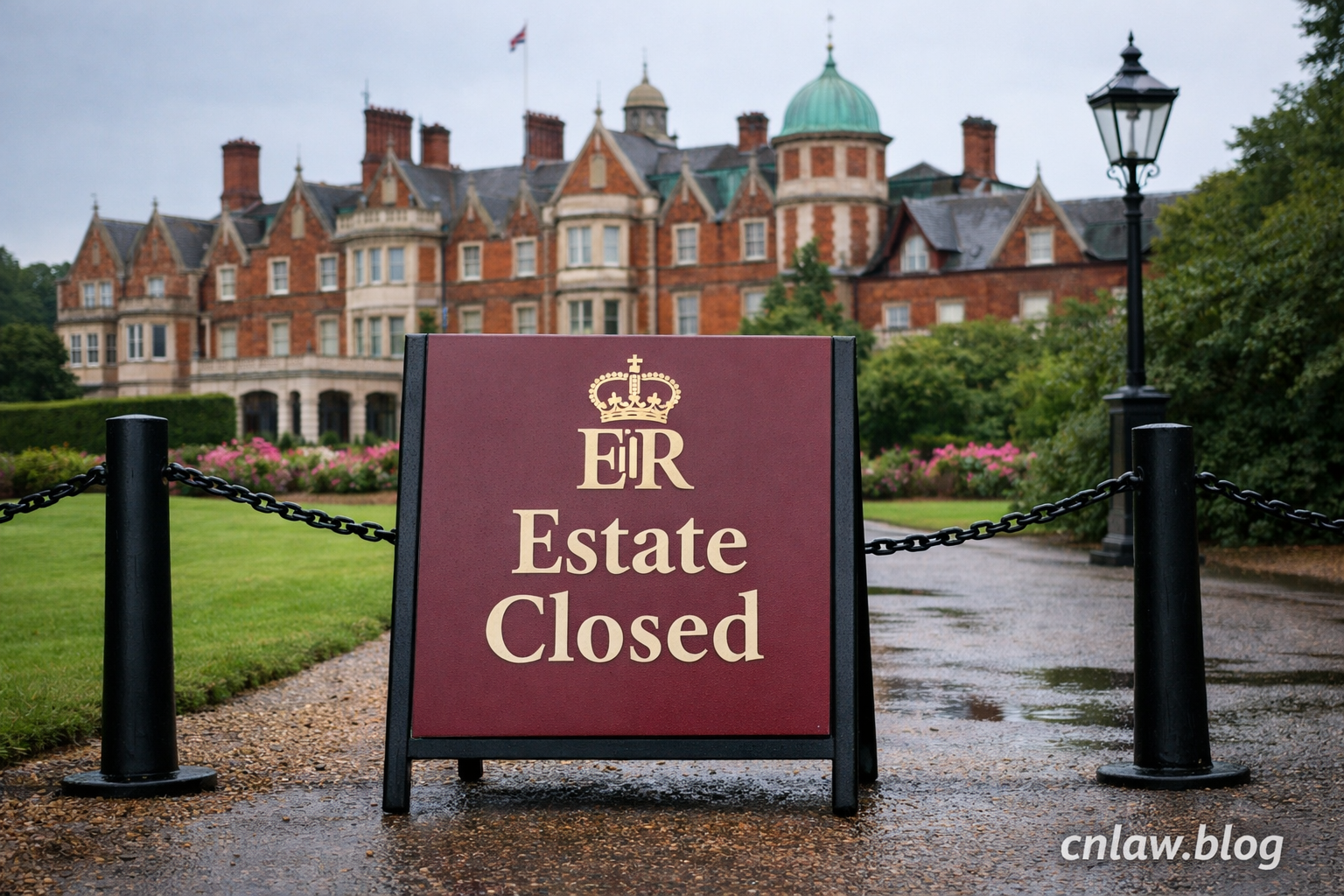
Sandringham Estate, one of the most iconic royal residences in the United Kingdom and a long‑standing retreat for the British monarch, recently experienced an emergency closure that drew attention from visitors, local residents, and royal watchers around the world. The unexpected shutdown — affecting parts of the estate normally open to visitors — sparked questions about what really happened, how serious it was, and what it tells us about managing historic estates in 21st‑century Britain.
This article takes a grounded look at the circumstances behind the closure, the practical reasons such events occur, and the broader context of keeping a living, working royal estate accessible yet safe for the public.
What Is Sandringham Estate?
Sandringham Estate is a privately owned country property in Norfolk, England, that has been a beloved retreat of the British royal family for well over a century. It’s famous for its gardens, house tours, parkland walks and as the location where the royal family traditionally spends part of the Christmas season. The estate is open to the public at specific times of the year, with Saltwater Parkland and public areas available year‑round.
Unlike official palaces funded by the state, Sandringham is the monarch’s personal property. That means its management involves a mix of private estate concerns — maintenance, visitor services, and safety — alongside the traditions and expectations that come with royal heritage.
The Emergency Closure: What Actually Happened
In early May of last year, Sandringham House and much of its visitor facilities were closed unexpectedly due to an emergency plumbing issue — specifically, a burst water main that affected essential services on the estate.
According to reports at the time:
- The plumbing failure disrupted water supply, rendering toilets and other facilities unusable.
- The closure applied not just to the house but also to gardens, restaurants and courtyard areas that normally welcome visitors.
- Local water utility providers confirmed low water pressure or no water for customers in the broader Sandringham area as part of the issue.
These kinds of infrastructure failures may sound mundane, but at a site like Sandringham — with historic buildings, high visitor footfall and strict standards for public health — even a single utility failure can require closing large sections of the estate.
It’s important to note that this was not a security incident, protest or political action. It was a practical health and safety decision in response to infrastructure malfunction.
Why Estates Like Sandringham Close Unexpectedly
Historic properties — especially ones that are still lived in or used regularly — are complex to maintain. Sandringham is no exception. Here’s why emergency closures, while rare, happen:
Utilities and Infrastructure Are Old
Many parts of the estate date back hundreds of years. Even with modern upgrades, integrating old and new systems (plumbing, electrical, heating) can be unpredictable. A burst pipe might seem like a minor inconvenience in a home, but in a public historic site it affects sanitation, compliance with health laws and visitor comfort.
Risk and Liability
Estate managers and royal household staff have to act with caution. If something as basic as water availability becomes unreliable, opening restrooms, dining areas or formal rooms to the public could pose a liability. Closing prevents accidents, complaints and regulatory issues.
Visitor Safety Comes First
Facilities like restaurants, garden areas and court yards operate under tight standards. Even a minor hazard — uneven ground after rain, extreme weather conditions or temporary loss of essential services — is taken seriously because visitors range from families with children to older tourists.
The May closure was a response to this reality: shutting doors until plumbing was fixed reflected prudent management, not drama.
Sandringham Throughout the Year: Scheduled and Unscheduled Closures
It’s worth distinguishing the emergency shutdown from scheduled seasonal closures that happen at Sandringham.
Sandringham House itself and the formal gardens are typically open to the public from late March through early October, with specific blackout dates during the summer.
Other parts of the estate — like parkland and walking trails — are open year‑round, but even these can be shut temporarily for weather or safety reasons. For instance, during Storm Chandra earlier this year, the estate closed the children’s play area because high winds made it unsafe.
Emergency closures can thus arise from:
- Infrastructure failures (plumbing, electricity)
- Extreme weather
- Safety hazards identified during routine checks
- Unexpected maintenance issues
All of these stem from a single guiding principle: protect people and preserve the estate.
Why the Closure Grabbed Attention
Sandringham isn’t just another historic home; it’s a cultural symbol. Each year, for many international visitors, touring Sandringham is about more than architecture — it’s about experiencing a piece of living royal history.
So when the estate closes without warning, it naturally becomes news. But it’s important to ground reactions in context:
- Royal estates are working properties that must balance tradition with everyday realities like utility systems.
- Visitor expectations are rightly high, but even the best‑managed places can face unforeseen issues.
- The closure in question was practical rather than dramatic, with no reported risk to residents or guests beyond inconvenience.
Reports at the time made clear that the disruption came from a plumbing failure, and there was no indication of broader structural problems or safety risks beyond that.
How Such Issues Are Handled
When something at Sandringham goes wrong, there are established steps the estate follows:
- Immediate Shutdown of Affected Areas
Safety always comes first. If a necessary service is compromised, staff close the area and secure it. - Rapid Assessment and Repair
Technicians and contractors are brought in because many of the estate’s systems must meet modern standards despite historic surroundings. - Clear Communication to Visitors
Estate authorities update websites, social media or on‑site notices to let visitors know what’s affected and when it might reopen. - Reopening After Checks
Before reopening, areas are inspected to ensure they meet safety and visitor experience standards.
This process, while it can feel abrupt to visitors, reflects how responsible estate management works.
What Visitors Should Know Before Traveling
If you’re planning a visit to Sandringham — or any historic estate — it helps to prepare:
- Check the official opening times online before you go, especially outside the main March–October season.
- Expect occasional closures of specific facilities for maintenance or weather.
- Be flexible with plans because outdoor elements or infrastructure issues can affect attractions.
These simple steps help you avoid disappointment and make the most of your visit.
Sandringham Estate and News Coverage
Media coverage of royal estates often focuses on personalities and dramas — the movements of members of the royal family, relations within the household, or controversies surrounding residents. That can sometimes overshadow the everyday operational realities of running a major historic property.
For instance, reporting about members of the royal family relocating within estates — like recent moves involving Andrew Mountbatten‑Windsor — is a separate thread from visitor facility closures. Those are driven by entirely different sets of issues, even though both happen on the same broad estate.
FAQ: Sandringham Estate Emergency Closure
What caused the emergency closure at Sandringham Estate?
The estate was closed temporarily due to a significant plumbing issue, specifically a burst water main that impacted essential facilities like toilets and dining areas.
Was the closure related to royal family drama or security threats?
No. Official accounts linked the closure to practical infrastructure problems rather than security or family events.
Is Sandringham Estate open year‑round?
Some parts, like parkland and outdoor areas, are open year‑round, but the house and formal gardens have seasonal opening dates.
How can visitors check for closures before going?
It’s best to visit the official Sandringham Estate website or look for notices on their social media channels close to your travel date.
Do weather conditions affect access?
Absolutely. Severe weather — like high winds — can prompt temporary closures of playgrounds or other exposed areas for safety reasons.
Will future closures be publicised?
Yes. The estate routinely updates its official communication channels when emergency closures or scheduled maintenance affect visitor access.
Sandringham Estate’s emergency closure was a momentary but necessary response to a practical challenge. It reminds us that even treasured historic sites must be managed with care, balancing the needs of visitors, residents and preservation. Understanding what lies behind such closures helps set expectations and deepen appreciation for the complexity of keeping historic estates both accessible and safe.

It’s fascinating to think about how Sandringham balances being both a royal residence and a public attraction. When something unexpected happens, like this emergency closure, it really brings to light how delicate that balance is between maintaining the estate’s historical value and ensuring public access. What steps do you think are taken behind the scenes to prevent such closures?