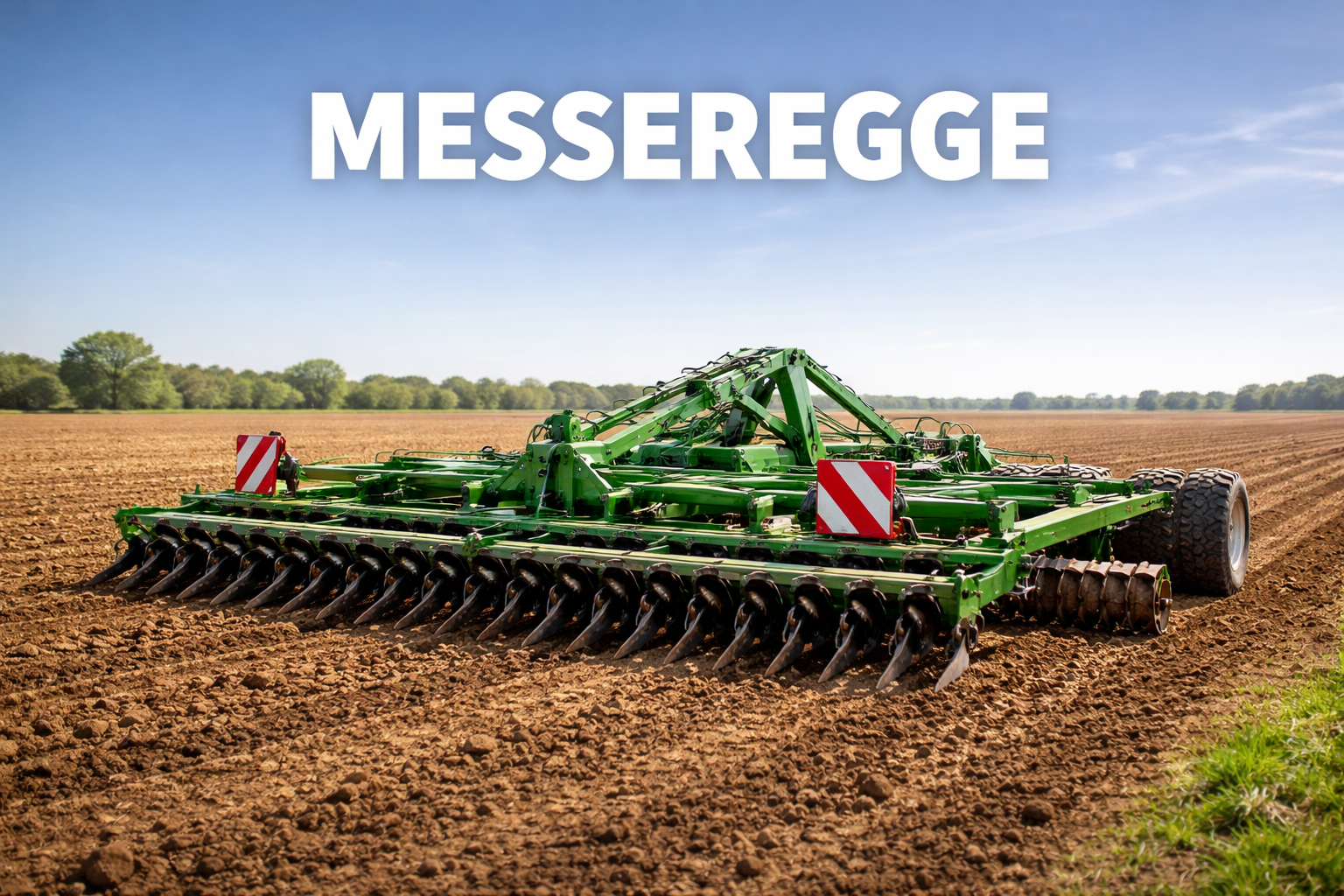
The messeregge is one of those farm tools that looks simple but earns its keep through timing and restraint. In fields where residue is heavy, weeds are stubborn, or the seedbed needs a light reset rather than a full overhaul, a messeregge can be the quiet problem-solver. It sits somewhere between a harrow and a shallow cultivator, working close to the surface with cutting elements instead of aggressive tines.
Farmers who use a messeregge tend to value control. The tool is designed to slice, level, and mix lightly, not to turn the soil upside down. That difference matters for moisture, structure, and the way weeds respond over the following weeks. Understanding where a messeregge fits in the workflow is the key to using it well.
What a Messeregge Is and What It Is Not
At its core, a messeregge is a shallow tillage implement that uses knife-like blades or cutting bars arranged across a frame. As it moves, those blades skim the top layer of soil, cutting residues and small weeds while leaving deeper layers mostly undisturbed.
It is not a plow, and it is not meant to replace deep cultivation. The working depth is usually only a few centimeters. That shallow pass is deliberate. The goal is to manage surface conditions, not to restructure the entire profile.
In practice, the messeregge is often used between harvest and the next sowing, or as part of early seedbed preparation. It can also be used to break crusts, level small ridges, and create a more even surface for subsequent tools.
How a Messeregge Works in the Field
A messeregge relies on cutting rather than lifting. The blades are set at a shallow angle, so they slice through stubble, roots, and the top layer of soil. Because the tool runs shallow, traction demand stays moderate, and fuel use is usually lower than with deeper implements.
The cutting action has a few useful effects. Crop residues are chopped and spread more evenly, which helps them decompose. Small weeds are cut off near the crown, which can be enough to stop their growth if conditions are dry. The surface is also lightly mixed and leveled, improving contact between soil and residues.
One detail that matters is speed. Too slow, and the blades tend to drag and smear. Too fast, and the tool can start to bounce or throw soil, which defeats the purpose of shallow work. Most operators find a middle ground where the blades cut cleanly and the surface stays calm.
Typical Situations Where a Messeregge Makes Sense
The messeregge shines in residue management. After cereals or maize, for example, a light pass can chop and spread straw without burying it. That keeps organic matter near the surface, where microbes and weather can get to work.
It is also useful for stale seedbeds. A shallow pass encourages weed seeds to germinate. A second pass a week or two later can then cut those seedlings off. This approach reduces weed pressure without relying only on chemicals.
In spring, the tool can be used to break surface crusts and level minor unevenness before sowing. Because it does not disturb deeper layers much, it helps conserve moisture, which can be critical in dry years.
Types and Design Variations
Not all messer eggen are built the same. Some use straight knives arranged across the width, while others use segmented blades or overlapping discs with sharp edges. The frame can be rigid or folded, depending on working width.
Blade spacing is one of the main differences. Narrow spacing gives more complete cutting but increases draft and wear. Wider spacing reduces resistance but can leave strips of uncut residue. The right choice depends on residue load and the level of finish you expect.
Some models include a light roller or leveling bar behind the blades. This helps smooth the surface and control depth more precisely. It also adds a bit of consolidation, which can be useful before drilling small seeds.
How a Messeregge Compares to Other Shallow Tillage Tools
It is easy to confuse a messeregge with a disc harrow or a spring tine harrow, but their effects are different. A disc harrow tends to mix and throw soil more aggressively. Even at shallow settings, discs can create more disturbance and bury more residue.
Spring tine harrows, on the other hand, rely on flexible tines that scratch and stir. They are good for breaking crusts and uprooting small weeds, but they do not cut residues as cleanly as knives do.
The messeregge sits between these tools. It cuts more cleanly than tines and disturbs less than discs. That combination is why it is often chosen in systems that aim to protect soil structure while still keeping fields manageable.
Setting Up the Tool for Clean Results
Depth control is the first adjustment to get right. Most work is done between two and five centimeters. Going deeper usually brings little benefit and increases fuel use and soil disturbance.
Blade angle and pressure also matter. A slightly more aggressive angle improves cutting in tough residues, but it can also increase smearing in wet conditions. Many operators adjust this based on season and soil moisture.
Working speed should be tested in a small area first. The goal is a clean cut and an even surface, not flying clods or dragged straw. Small changes in speed often make a noticeable difference in finish.
Soil and Crop Considerations
Soil type plays a big role in how a messeregge behaves. In light, sandy soils, the tool can be very gentle and still effective. In heavier clays, timing becomes more critical. Working too wet can smear the surface and create a sealed layer that slows infiltration.
Crop residues also change the picture. Long, tough straw needs sharper blades and sometimes a slightly faster pass to ensure it is cut rather than pushed. Fine residues, like those from oilseed crops, are easier to handle and often need only a light touch.
Rotation matters as well. In systems with cover crops, a messeregge can be used to terminate young stands by cutting them off near the base. Results depend on species and growth stage, so a trial strip is always a good idea.
Maintenance and Wear Parts
Because the tool relies on sharp edges, blade condition is central to performance. Dull blades tend to smear soil and drag residues instead of cutting them. Regular inspection saves time and fuel in the long run.
Most blades are bolted on and can be flipped or replaced when worn. Keeping a small stock of spares during the season avoids downtime in busy periods. Bearings, if present on rollers or depth wheels, also deserve attention, especially in dusty conditions.
Cleaning the tool after sticky soils is not just about looks. Caked soil changes working depth and angle, which affects the result in the next field. A few minutes with a scraper often pays back in better consistency.
Common Mistakes and How to Avoid Them
One frequent mistake is using the messeregge too deep. This usually comes from treating it like a cultivator. The result is more disturbance than needed and a rougher surface than expected.
Another issue is working in the wrong moisture window. If the soil is too wet, cutting becomes smearing. If it is too dry and hard, the blades may ride up and skip, leaving uneven patches.
Skipping test passes is also risky. Conditions change from field to field. A short trial run allows quick adjustments to depth and speed before committing to the whole area.
Economic and Environmental Angles
From a cost perspective, shallow tools like the messeregge are relatively efficient. They require less power than deep tillage and can cover large areas quickly. That shows up in fuel bills and working hours.
Environmentally, the limited disturbance helps protect soil structure and reduce erosion risk. Leaving residues near the surface also supports organic matter levels and biological activity. None of this replaces good rotation or careful traffic management, but it fits well into a more conservative approach to soil work.
It is worth noting that results depend on the whole system. A messeregge used at the wrong time or in isolation will not solve structural or weed problems on its own. It is a supporting tool, not a miracle cure.
Choosing the Right Messeregge for Your Farm
When looking at a messeregge, working width is usually the first decision. Wider machines cover more ground but need more power and room to maneuver. The right balance depends on tractor size and field layout.
Blade design and spacing should match your typical residues. If you often deal with heavy straw, prioritize cutting ability over ultra-low draft. If your fields are lighter and cleaner, a simpler setup may be enough.
Finally, consider how the tool fits into your overall system. Think about when you will use it, what comes before and after, and which problems you expect it to solve. A clear purpose makes the choice much easier.
FAQ
What does a messeregge actually do to the soil?
It cuts and lightly mixes the top few centimeters, managing residues and small weeds without turning the soil deeply. The main effect is surface conditioning rather than deep cultivation.
Can a messeregge replace a disc harrow?
Not fully. It works shallower and with less mixing. It can replace discs for light residue work, but not for tasks that need more aggressive soil movement.
Is a messeregge useful in wet conditions?
It is better to wait until the soil is workable. In wet conditions, the blades tend to smear and seal the surface, which can cause more harm than good.
How often should the blades be replaced?
That depends on soil type and hectares covered. Inspect them regularly and replace or flip them when the cutting edge becomes rounded and performance drops.
Does using a messeregge help with weed control?
It can, especially for small, young weeds. It cuts them off near the surface, but long-term control still depends on rotation, timing, and other practices.

I like how the messeregge is described as a ‘quiet problem-solver.’ It seems like a perfect fit for farmers who want to maintain a healthy soil structure while dealing with tough residue and weeds. It’s not about disrupting the soil, but managing it efficiently.