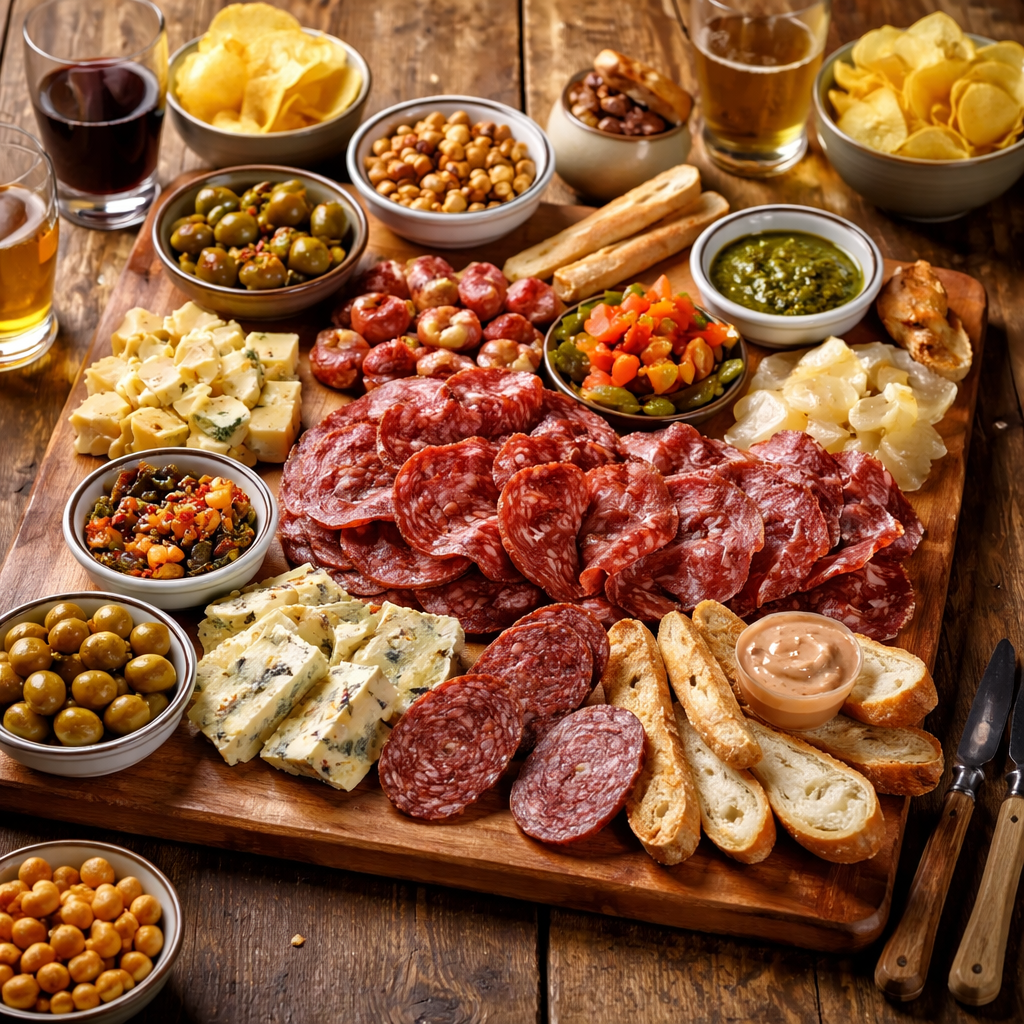
Picada is more than just a plate of snacks—it’s a social ritual that reflects how people gather, talk, and unwind. Common across Argentina and parts of South America, a picada typically features a mix of cured meats, cheeses, olives, bread, and small bites meant to be shared.
Within the first few minutes of sitting down, you understand its purpose. There’s no rush, no formal structure. It’s food designed for conversation, making it both practical and deeply cultural.
What is Picada
A picada is a shared appetizer platter made up of small, ready-to-eat items like sliced meats, cheeses, nuts, and pickled vegetables. It’s usually served before a meal or alongside drinks.
Rather than focusing on a single dish, picada emphasizes variety, balance, and ease of serving.
Background or History of Picada
The roots of picada can be traced to European immigration, particularly from Spain and Italy. These cultures brought traditions of communal eating—like tapas and antipasti—which gradually evolved into something uniquely Argentinian.
By the mid-20th century, picada became a staple in households and bars. It was an easy way to serve guests without cooking a full meal.
Today, it remains closely tied to social occasions: family visits, football matches, and casual weekend gatherings.
How Picada Works or How the Service Operates
A picada doesn’t follow strict rules, but there is a general structure that makes it work.
Basic Setup
- A large board or tray
- A mix of textures and flavors
- Items arranged for easy grabbing
Typical Components
- Cured meats: salami, chorizo seco, prosciutto-style cuts
- Cheeses: semi-hard varieties like provolone or local cheeses
- Extras: olives, pickles, nuts, chips
- Bread: sliced baguette or crackers
- Dips or spreads: chimichurri, mayonnaise-based sauces
The idea is to create contrast—salty with mild, soft with crunchy.
People serve themselves, often standing or sitting casually, which removes the formality of structured dining.
Key Features or Important Details
1. Designed for Sharing
Picada is inherently communal. One platter serves multiple people, encouraging interaction.
2. No Fixed Recipe
There’s no single “correct” picada. Ingredients change based on region, budget, and availability.
3. Minimal Preparation
Most items are pre-made or require simple slicing. This makes it practical for hosts.
4. Paired with Drinks
Picada is often served with wine, beer, or soft drinks. The food complements rather than dominates.
5. Flexible Portion Size
It can be a light snack or a full meal replacement, depending on how much is served.
Advantages and Limitations
Advantages
Easy to prepare
No complex cooking techniques are required. Assembly takes minutes.
Highly customizable
You can adjust ingredients for dietary preferences or budget.
Encourages social interaction
People naturally engage more when sharing food casually.
Cost-effective for groups
A single platter can feed several people without needing individual servings.
Limitations
Not always nutritionally balanced
Many picadas lean heavily on processed meats and salty items.
Can become repetitive
Without variation, the same ingredients can feel predictable.
Quality matters
Since there’s minimal cooking, the overall experience depends on ingredient quality.
Not ideal for formal dining
It’s better suited for relaxed settings rather than structured meals.
Real-World Use Cases or Customer Perspective
In everyday life, picada appears in situations where convenience meets hospitality.
- At home: A quick solution when guests arrive unexpectedly
- In bars: Served alongside drinks, especially during sports events
- Family gatherings: A starter before a larger meal like barbecue
- Outdoor settings: Easy to transport for picnics
From a customer perspective, picada feels approachable. There’s no pressure to follow etiquette, no confusion about what to order. You simply take what you like.
For many, it represents comfort and familiarity rather than culinary complexity.
Is Picada Safe, Legitimate, or Trustworthy?
Picada itself is simply a food tradition, so safety depends on how it’s prepared and handled.
Food Safety Considerations
- Keep perishable items refrigerated until serving
- Avoid leaving meats and cheeses out for extended periods
- Use clean utensils and surfaces
When prepared properly, picada is as safe as any other meal.
There’s no concern about legitimacy—it’s not a product or service, but a widely accepted cultural practice.
Important Things to Know Before Using Picada
1. Balance is Key
Too much of one category (like meats) can overwhelm the palate. Variety improves the experience.
2. Portion Planning Matters
Estimate based on the number of guests. A typical serving includes 150–250 grams per person.
3. Presentation Affects Perception
Even simple ingredients feel more appealing when arranged thoughtfully.
4. Dietary Preferences
Consider including vegetarian options like grilled vegetables, hummus, or fruit.
5. Timing
Serve picada shortly after assembling to maintain freshness and texture.
Common Questions About Picada
What foods are usually included in a picada?
A picada typically includes cured meats, cheeses, olives, bread, and snacks like nuts or chips. The exact items vary widely depending on region and preference.
Is picada the same as a charcuterie board?
They are similar in concept, but picada is usually more casual and may include a wider range of snack foods, not just meats and cheeses.
Can picada be a full meal?
Yes, if the portion size is large enough. Many people use it as a light dinner, especially in social settings.
Is picada expensive to make?
It can be affordable or premium depending on ingredient choices. Using local cheeses and simple snacks keeps costs low.
Is picada suitable for vegetarians?
It can be adapted easily by replacing meats with vegetables, dips, fruits, and plant-based options.
When is picada usually served?
It’s commonly served before meals, during gatherings, or alongside drinks in relaxed environments.
Picada works because it doesn’t try too hard. It brings people together without demanding attention, relying on simplicity and shared experience rather than presentation or technique. That’s what keeps it relevant—decade after decade, table after table.
